
3D Prosthetics Innovations: The Future of 3D Printed Prosthetics
- Quantum Education

- 4 days ago
- 3 min read
Advances in technology reshape how prosthetics are designed and manufactured. Among these, 3D printing stands out as a transformative force. It offers new possibilities for creating prosthetic limbs that are more affordable, customizable, and functional. This post explores the latest innovations in 3D prosthetics and what they mean for mobility and rehabilitation.
How 3D Printing Transforms Prosthetic Design
Traditional prosthetic manufacturing involves complex processes and high costs. 3D printing simplifies this by building prosthetics layer by layer from digital models. This method allows for rapid prototyping and precise customization to fit individual needs.
Customization: Each prosthetic can be tailored to the user’s anatomy. This improves comfort and usability.
Speed: Production time drops from weeks to days or even hours.
Cost-effectiveness: Materials and labor costs decrease, making prosthetics more accessible.
Lightweight materials: 3D printing uses advanced polymers and composites that reduce weight without sacrificing strength.
For example, a below-knee prosthetic socket can be printed to match the exact shape of the residual limb. This reduces pressure points and skin irritation, common issues with traditional sockets.
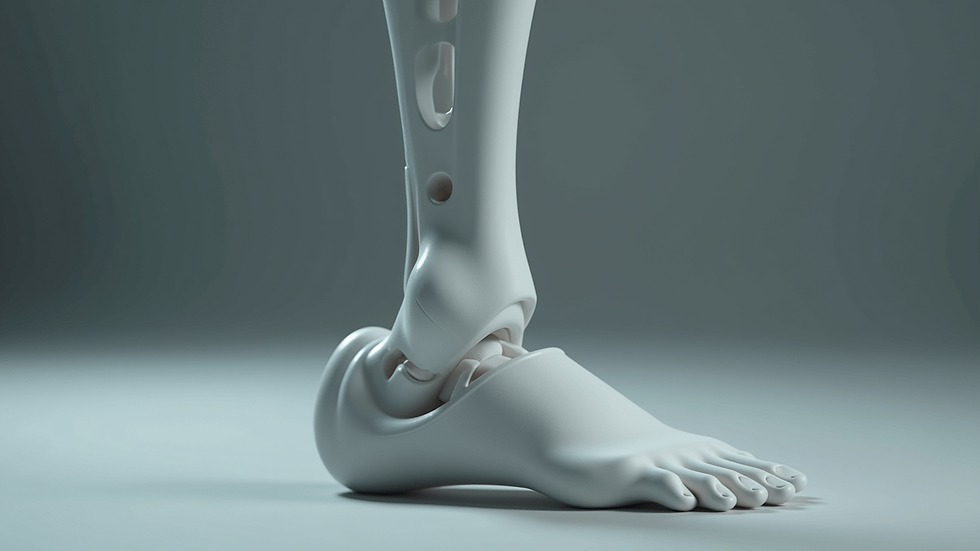
3D Prosthetics Innovations in Materials and Functionality
Material science plays a crucial role in prosthetic development. New materials improve durability, flexibility, and sensory feedback.
Flexible filaments: These mimic the natural movement of muscles and tendons.
Conductive materials: Embedded sensors can provide real-time feedback to the user.
Biocompatible polymers: Reduce allergic reactions and improve skin health.
Functionality also advances with embedded electronics. Myoelectric prosthetics use muscle signals to control movement. 3D printing allows integration of these components directly into the limb structure, reducing bulk and improving aesthetics.
For stroke patients and those needing advanced rehabilitation orthotics, these innovations mean better control and more natural movement. Prosthetics can be designed to support specific therapy goals, such as improving grip strength or balance.
Customization and Accessibility: Key Benefits
One of the most significant advantages of 3D printed prosthetics is accessibility. Custom devices can be produced locally, reducing wait times and shipping costs. This is especially important in remote or underserved areas.
Remote fitting: Digital scans can be sent to a lab for printing, eliminating the need for multiple clinic visits.
Affordable replacements: Damaged parts can be reprinted quickly and cheaply.
Personalized aesthetics: Users can choose colors, patterns, and designs that reflect their personality.
These benefits empower users to take an active role in their rehabilitation and daily life. The ability to replace or upgrade parts easily encourages ongoing use and adaptation.
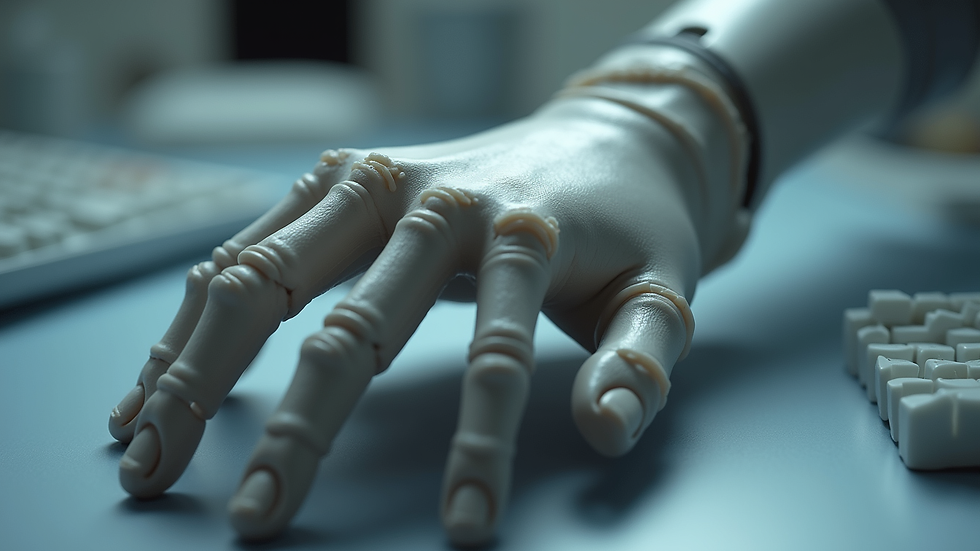
Integration with Rehabilitation and Therapy
Prosthetics are not just about replacing lost limbs; they are tools for rehabilitation. 3D printing supports this by enabling devices that adapt to therapy needs.
Adjustable components: Prosthetics can be modified as strength and mobility improve.
Orthotic integration: Combined prosthetic and orthotic devices support complex cases.
Data collection: Sensors track movement patterns to guide therapy adjustments.
For individuals recovering from stroke or injury, this means a more responsive and effective rehabilitation process. Prosthetics become part of a comprehensive care plan rather than a static device.
Looking Ahead: What the Future Holds
The future of 3d printed prosthetics promises continued innovation. Advances in AI, robotics, and materials science will further enhance prosthetic capabilities.
Smart prosthetics: Devices that learn and adapt to user behavior.
Biohybrid limbs: Integration of living tissue with mechanical parts.
Mass customization: Automated systems producing unique prosthetics at scale.
These developments will improve mobility and quality of life for many. They will also expand options for complex cases and advanced rehabilitation.
At QUANTUM Prosthetics & Orthotics, we focus on leveraging these technologies to provide the best care. Our goal is to help individuals regain independence through cutting-edge solutions tailored to their unique needs.
Embracing Technology for Better Mobility
The evolution of 3D printed prosthetics marks a new era in mobility and rehabilitation. By combining innovation with personalized care, we can offer solutions that truly improve lives. Staying informed about these advancements helps users and providers make the best choices for recovery and daily function.
As technology progresses, the potential for prosthetics to restore natural movement and enhance comfort grows. This progress is vital for those facing mobility challenges and seeking effective, affordable options.
Exploring and adopting these innovations ensures that prosthetic care continues to evolve, meeting the needs of today and tomorrow.


Comments