
Prosthetics Care

Lower-limb prosthetics

Comfortable custom sockets, microprocessor knees and ankle-foot systems, partial-foot prostheses, and expedited adjustable-fit programs.

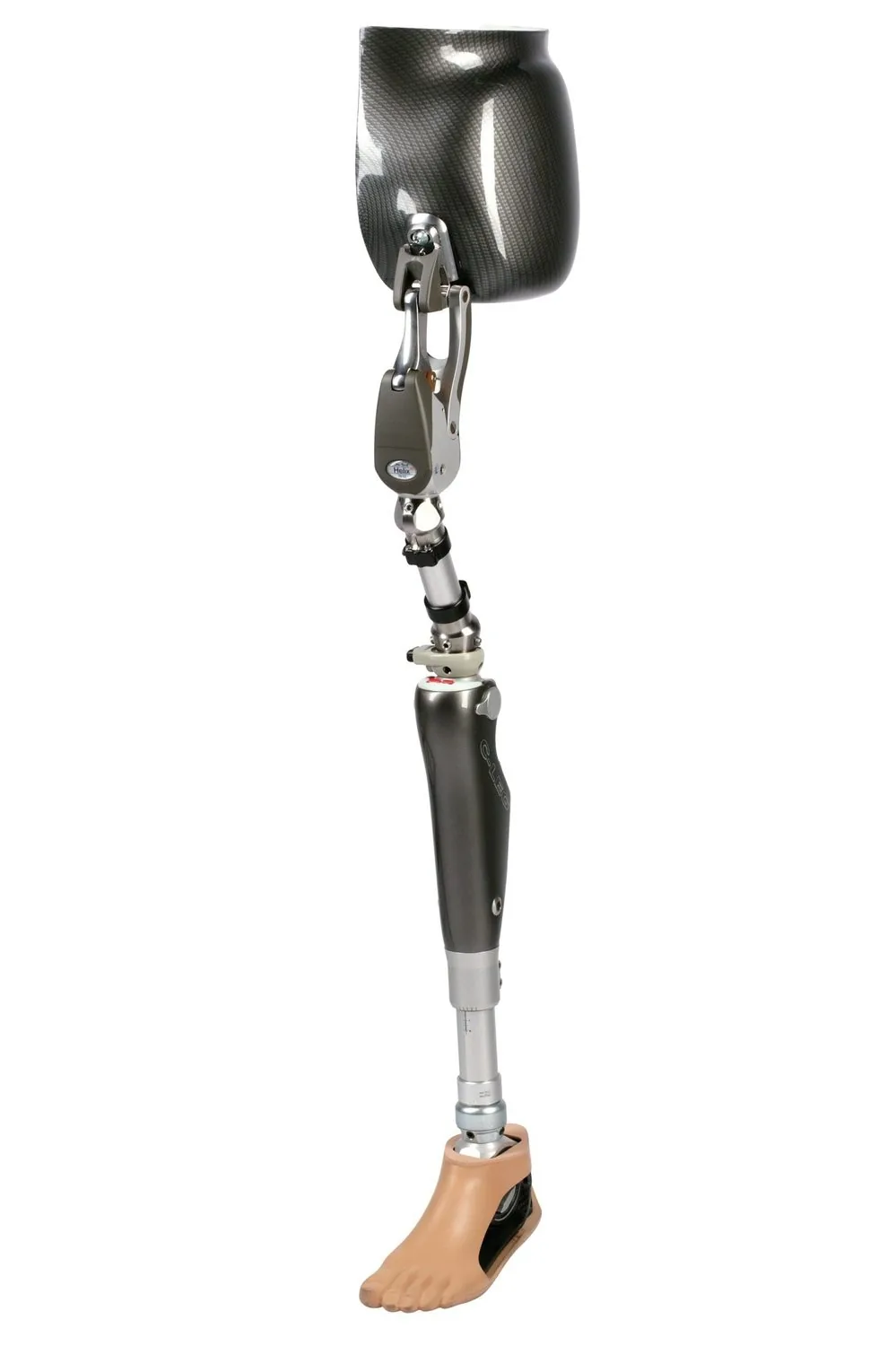
A microprocessor-controlled prosthetic leg
Book a free consultation
What's involved

What care here looks like.

Most of our work starts with the socket. If the part that touches your body isn't comfortable, nothing above it matters — so we cast, test, and refine until the fit disappears, then build the right components on top.
Who it's for

People we help most.

Why Quantum

Care that earns the comparison.

Related care

Explore the rest of what we do.

Upper-limb prostheticsNeuro & stroke orthoticsOrthoticsPediatric careTechnology & fabricationFind a clinic
Book a free consultation
FAQ

Frequently asked questions.

When can I get a prosthetic leg after amputation?
Usually once the surgical site has healed and swelling settles — often about 4–8 weeks — starting with a temporary (preparatory) prosthesis. We coordinate timing with your surgeon so you start safely.
What’s the difference between a mechanical and a microprocessor knee?
A microprocessor knee uses sensors to adjust resistance in real time for safer, more natural walking and better control on stairs and ramps. Mechanical knees are simpler and lighter. The right choice depends on your activity level (K-level) and goals.
Will insurance cover my prosthetic leg?
Medicare, Medicaid, and most commercial plans cover medically necessary prostheses with a physician’s prescription, and componentry is tied to your K-level. We verify your benefits before you start — see our cost & insurance guide.
How do I care for my socket and residual limb?
Daily skin checks, keeping the liner and socket clean, and managing limb volume with the right sock ply. We teach all of this at your fitting and follow-ups.
Book a free consultationCost & insurance